
304 vs 316L stainless steel fasteners
Key Differences Between 304 and 316L Stainless Steel Fasteners
Stainless steel fasteners are widely used in construction, machinery, marine equipment, pipeline installation and industrial engineering. The most common grades buyers choose are 304 and 316L stainless steel. Although they look almost identical, their performance, durability and applicable environments are very different.
Choosing the wrong stainless steel grade will lead to rust, corrosion, loose connection and increased maintenance costs. This article clearly explains the differences between 304 and 316L stainless steel bolts, U-bolts and fasteners, helping you make the correct purchasing decision.
What Is 304 Stainless Steel Fastener?
304 stainless steel is the most universal and cost-effective stainless steel grade for standard fasteners. It contains 18% chromium and 8% nickel, providing good oxidation resistance and basic rust-proof performance.
Advantages of 304 fasteners:
-
Cost-effective and budget-friendly
-
Excellent processing and welding performance
-
Good rust resistance for indoor and dry outdoor environments
-
Sufficient tensile strength for general industrial and construction use
Limitations:
304 stainless steel does not resist salt corrosion and chemical erosion well. In humid, coastal or chlorine-rich environments, 304 fasteners will gradually develop rust spots and pitting corrosion.
304 vs 316L stainless steel fasteners
What Is 316L Stainless Steel Fastener?
316L is an upgraded stainless steel grade with added molybdenum element. The “L” means low carbon, which improves welding performance and prevents intergranular corrosion. 316L is recognized as a high-performance anti-corrosion fastener material.
Advantages of 316L fasteners:
-
Strong resistance to salt water, chloride and humidity corrosion
-
Stable performance in marine, chemical and wet environments
-
Long service life with low maintenance rate
-
High temperature and oxidation resistance
Limitations:
304 vs 316L stainless steel fasteners
The material cost is higher than 304 stainless steel, so the overall procurement budget will increase accordingly.
304 vs 316L Stainless Steel Fastener Comparison Table
|
Item
|
304 Stainless Steel
|
316L Stainless Steel
|
|---|---|---|
|
Corrosion Resistance
|
Good (normal environment)
|
Excellent (salt & humid environment)
|
|
Salt Spray Resistance
|
Poor
|
Strong
|
|
Welding Performance
|
Good
|
Better (low carbon)
|
|
Service Life
|
Medium
|
Long
|
|
Price
|
Lower
|
Higher
|
|
Best Application
|
Indoor, dry construction, general machinery
|
Marine, coastal, chemical, humid projects
|
How to Choose Between 304 and 316L Fasteners
You can follow this simple standard to select the correct stainless steel grade for your project:
Choose 304 if:
-
Your project is in dry and inland areas
-
The working environment has no salt water or chemical corrosion
-
You need cost-effective mass procurement
Choose 316L if:
-
The fasteners are used near water, coast or high humidity areas
-
The equipment requires long-term service life
-
The working environment contains chloride or weak chemical erosion
304 vs 316L stainless steel fasteners
Custom Stainless Steel Fastener Solutions
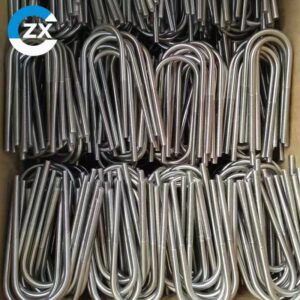
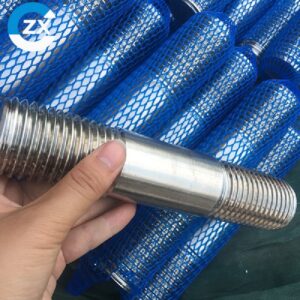
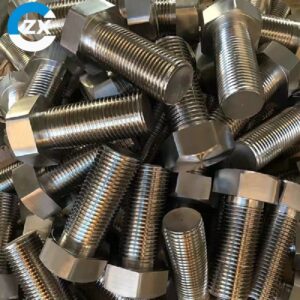
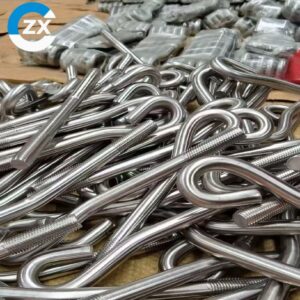
We supply standard and custom stainless steel fasteners, including hex bolts, U-bolts, stud bolts, nuts and washers in 304 and 316L grades. We support customized sizes, drawings and special processing requirements.
If you have fastener procurement or customization needs, feel free to contact us for a professional quotation.
304 vs 316L stainless steel fasteners
Common Mistakes When Selecting Stainless Steel Fasteners
Many industrial buyers and project engineers make similar mistakes when purchasing 304 and 316L stainless steel fasteners, which often lead to unnecessary losses and project delays. The most common error is blindly pursuing low prices and choosing 304 fasteners for harsh working environments. Although it can save initial procurement costs, frequent rusting and structural failure will require repeated replacement and maintenance, greatly increasing long-term project costs and safety risks.
Another typical mistake is over-specification. Using high-cost 316L fasteners for ordinary indoor and dry mechanical equipment will cause unnecessary cost waste. Reasonable material selection based on the actual working environment is the key to balancing project quality and budget.
304 vs 316L stainless steel fasteners
Surface Finish and Quality Standard
Both 304 and 316L stainless steel fasteners comply with international industrial standards, including ASTM and DIN specifications. Our fasteners adopt fine polishing and precision threading technology, ensuring smooth installation, tight connection and no sliding wire. All products undergo strict quality inspection before delivery to guarantee stable mechanical properties and long-term structural safety.
304 vs 316L stainless steel fasteners
FAQ
1. Will 304 stainless steel bolts rust?
304 fasteners are rust-resistant but not rust-proof. They will corrode gradually in saltwater, coastal or long-term humid environments.
2. Are 316L fasteners worth the higher price?
Yes. 316L fasteners have far better corrosion resistance and longer service life, which greatly reduces later replacement and maintenance costs.
3. Can 304 and 316L fasteners be used together?
It is not recommended. Mixing different stainless steel grades may cause galvanic corrosion and affect structural stability.
304 vs 316L stainless steel fasteners