
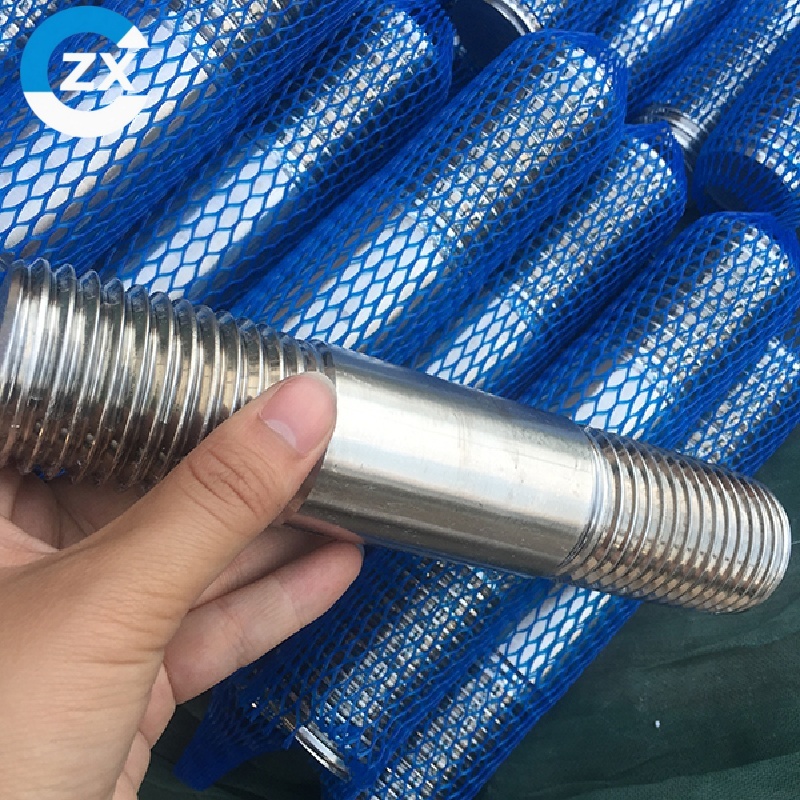
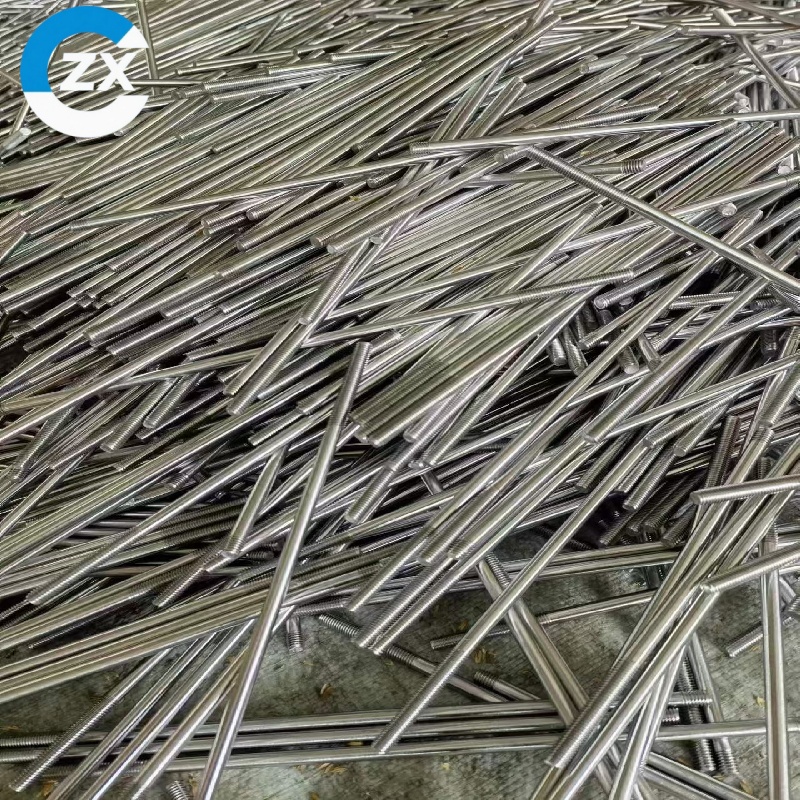
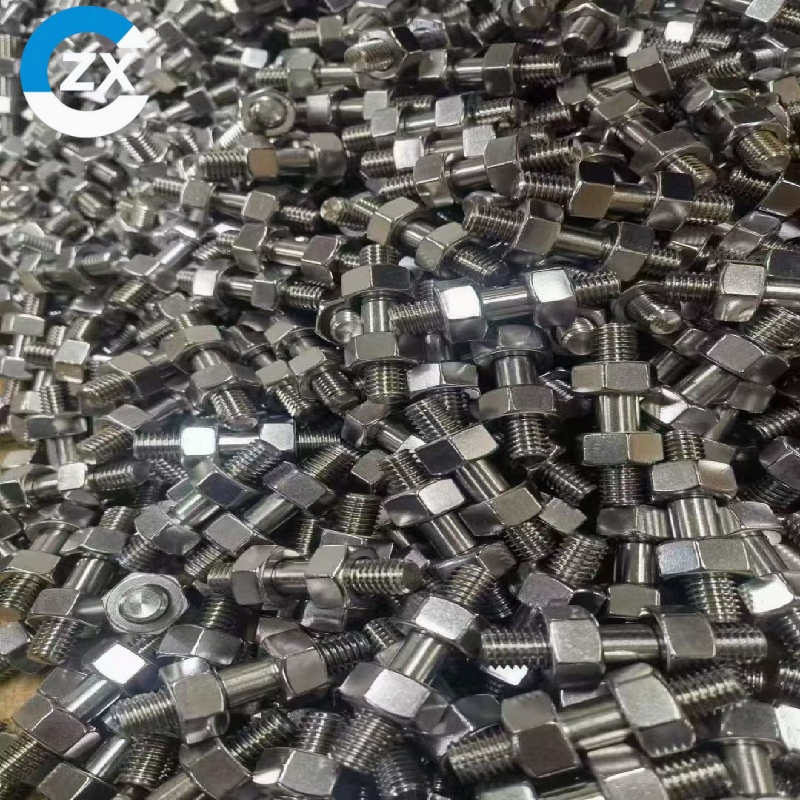
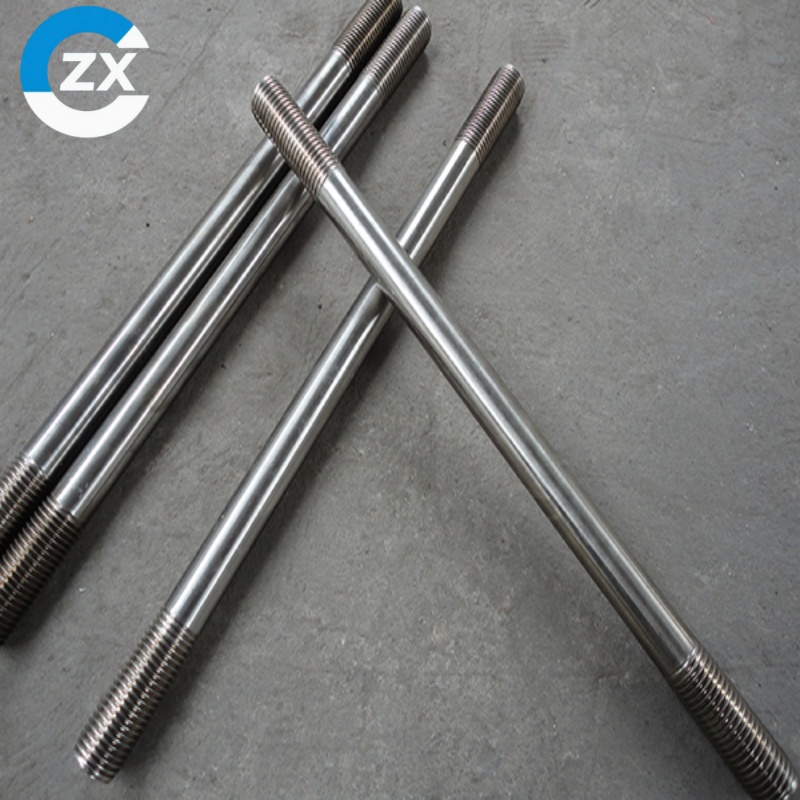
Stainless steel double-thread bolts (also known as double-end bolts or threaded studs) are precision-engineered fasteners featuring external threads on both ends, designed to securely connect components in demanding environments. With superior corrosion resistance and mechanical strength, they eliminate the need for internal threading in one part, enabling efficient assembly in complex machinery, structural frameworks, and critical infrastructure.
As a stainless steel double-thread bolts factory, we have more than 30 years production experiences, can make production as per your design.
Stainless steel double-thread bolts with even force distribution, anti-loose performance. Suitable for valve, pipeline, pressure vessel and heat exchanger assembly. Send your specs to get quotation.
Stainless Steel Double-thread bolts Common Materials
Austenitic Grades: 304 (A2), 316 (A4), 316L (A4L) — offering superior corrosion resistance in chloride and acidic environments
Duplex Stainless Steel: 2205 (UNS S32205 / EN 1.4462) — double the yield strength of 316L, ideal for high-pressure and seawater exposure
Precipitation Hardening: 17-4PH (UNS S17400) — high tensile strength with moderate corrosion resistance, suitable for aerospace and high-load applications
Compliance: A2-70, A4-80 (ISO 3506), ASTM A193 B8/B8M standards
Size Specifications: M4-M90 or as per customer request
Customization: Non-standard lengths, thread pitches, and head configurations available upon request
Stainless Steel Double-thread bolts Manufacturing Standards
ASTM A193 B8 / B8M — austenitic stainless steel for high-temperature and pressure service
DIN 938 / DIN 939 — international standard for double-ended threaded rods
ASME B18.31.2 — dimensional and mechanical requirements for stud bolts
ISO 3265 — general requirements for threaded fasteners
NACE MR0175 / ISO 15156 — certified for sour service in oil & gas (H₂S-resistant environments)
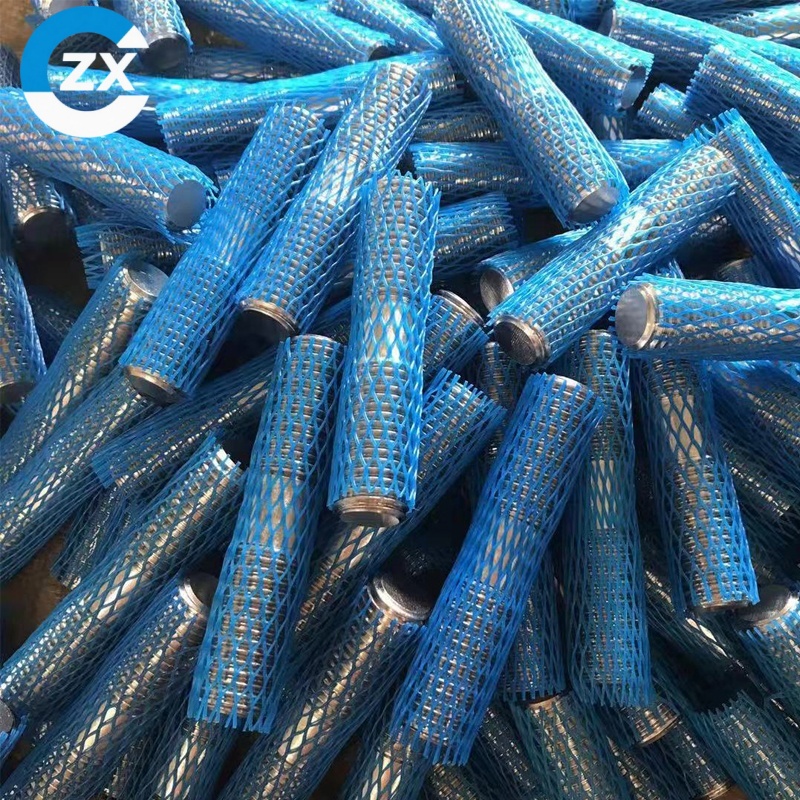
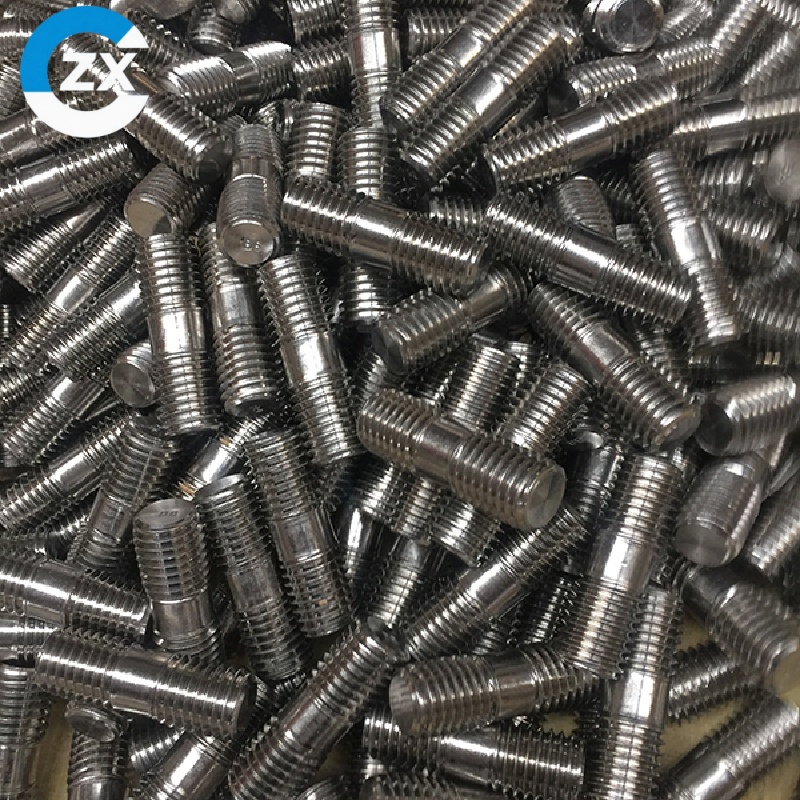
Stainless Steel Double-thread Bolts Product Characteristics
Corrosion Resistance: Passive chromium oxide layer resists rust, pitting, and crevice corrosion — validated in salt spray (ASTM B117) and acidic media
Tensile Strength: B8M grade exceeds 517 MPa; 2205 grade reaches ≥640 MPa
Non-Magnetic: Austenitic structures (304, 316) remain non-magnetic even after cold working
High-Temperature Stability: Maintains integrity up to 800°C (1472°F) without significant creep
Sanitary Compliance: Surface finish Ra ≤ 0.8μm meets FDA and ISO 13485 requirements for food/pharma use
Typical Application Environments
Chemical Processing: Reactors, piping systems handling acids, alkalis, and solvents
Offshore Oil & Gas: Subsea flanges, risers, and platforms exposed to seawater and H₂S
Food & Beverage: Hygienic processing lines, pasteurization units, and CIP systems
Pharmaceutical: Cleanrooms, bioreactors, and sterile equipment requiring non-contaminating fasteners
Marine & Desalination: Propulsion systems, hull fittings, and brine handling equipment
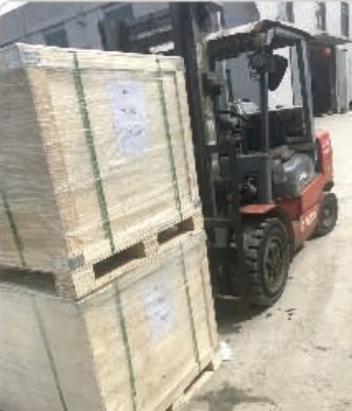
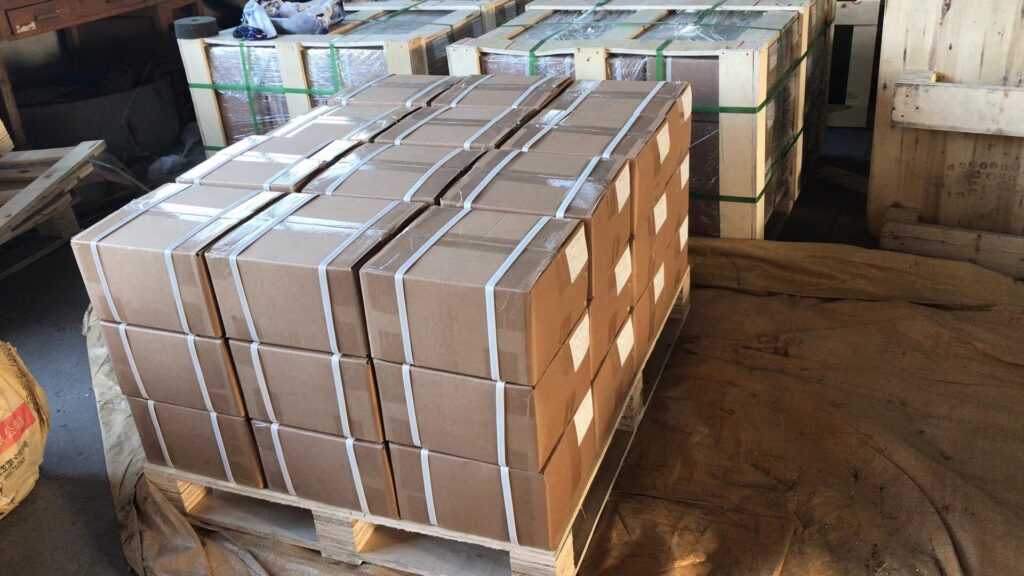
Stainless steel double-thread bolts are essential fasteners widely used in various industrial mechanical connection scenarios, favored for their double-ended thread design, uniform stress bearing and excellent anti-loosening performance. Unlike ordinary bolts, they feature no bolt head, enabling flexible installation in narrow, confined and high-space-constraint working environments.
We supply stainless steel double-thread bolts complying with ASTM A193 B8 / B8M. Grade B8 corresponds to 304 stainless steel, while B8M refers to 316 stainless steel with molybdenum added for stronger anti-corrosion performance in chloride-rich environments. We offer customized sizes, lengths and surface treatments according to client drawings. Our bolts are paired with matching heavy hex nuts for stable flange assembly. Whether you need small-batch samples or bulk industrial orders, we can deliver consistent quality to match your engineering requirements.
If you want to learn more about the advantages of stud bolts for valves, you can read our detailed article: Why valve manufacturers prefer stud bolts.