
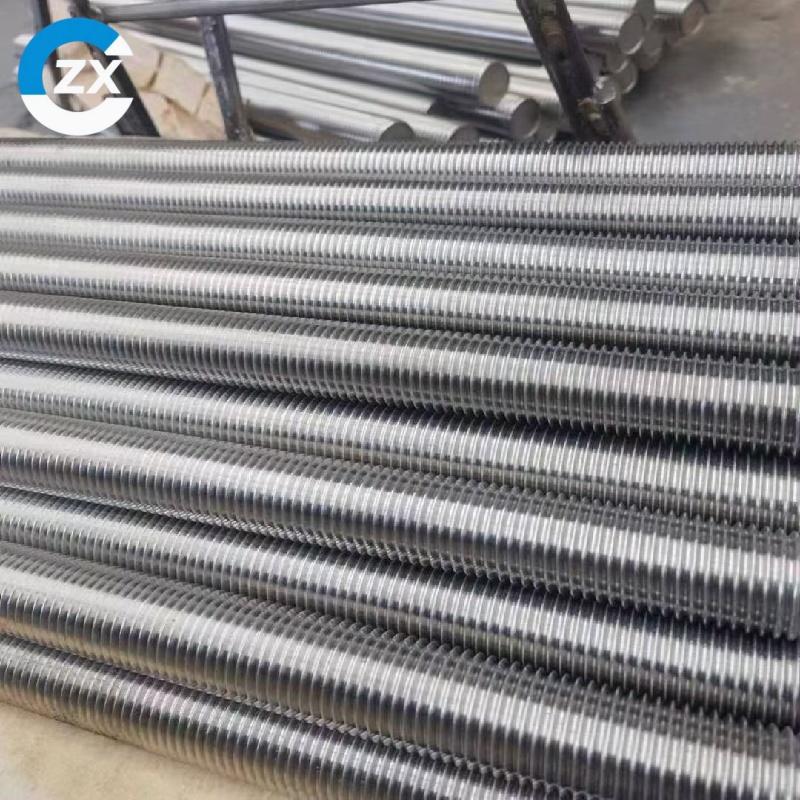
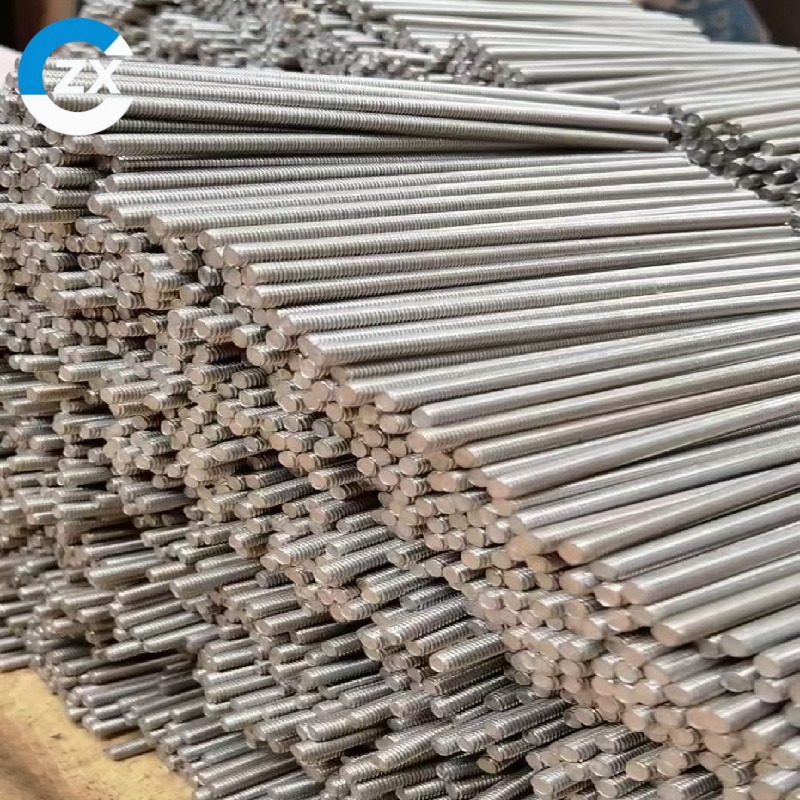
Stainless steel threaded rods, also known as full-threaded rods or stud bolts, are precision-engineered fastening components designed for high-strength, corrosion-resistant connections in demanding industrial environments. Engineered for reliability under load, they feature continuous external threads along their entire length, enabling secure assembly in flanges, brackets, and structural frameworks without the need for nuts on both ends. Widely adopted in global manufacturing, they are manufactured to meet stringent international standards for dimensional accuracy and mechanical performance.
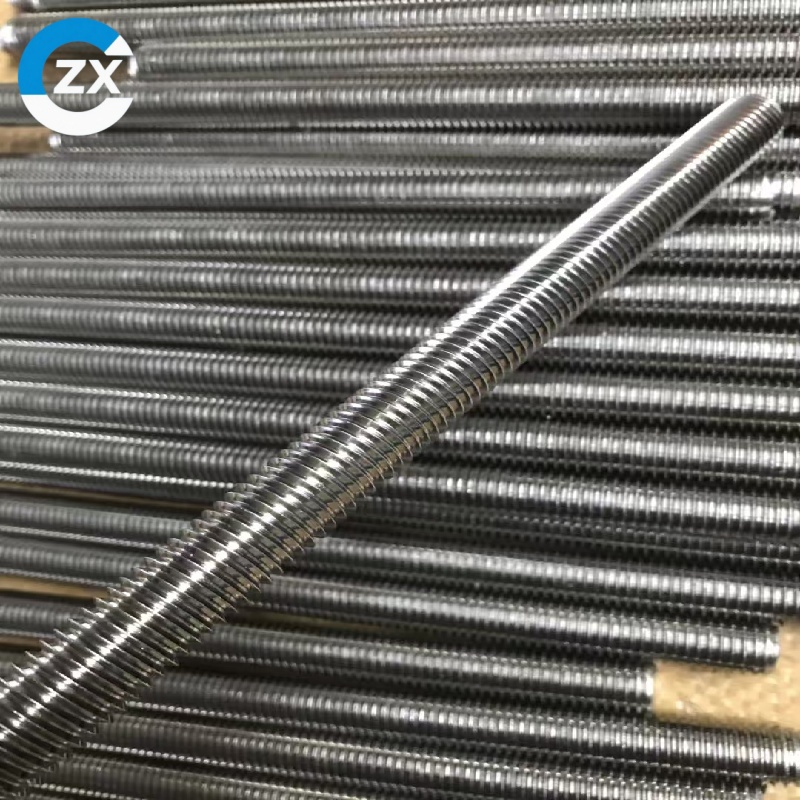
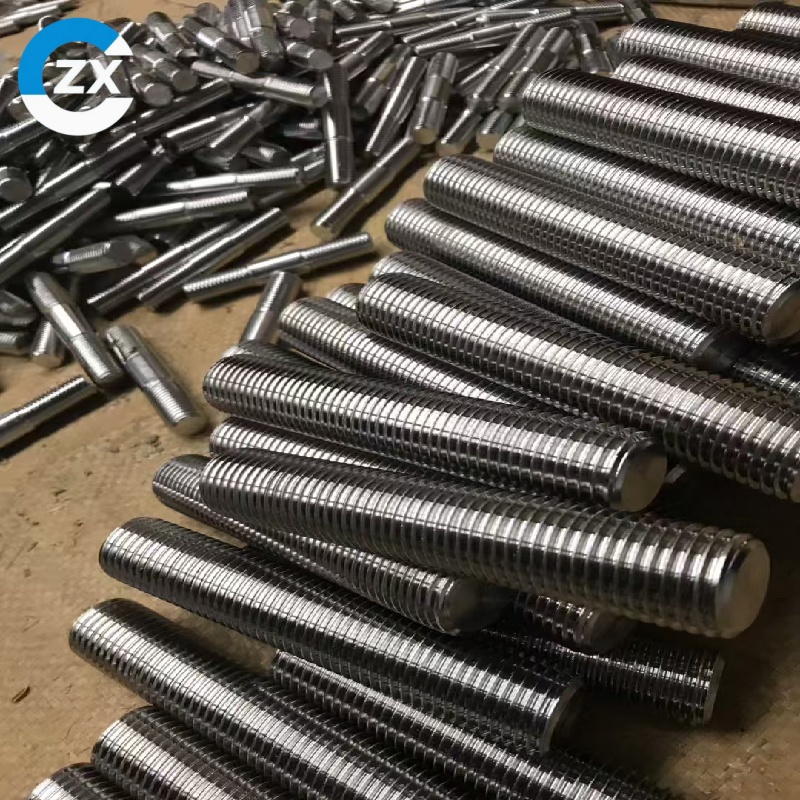
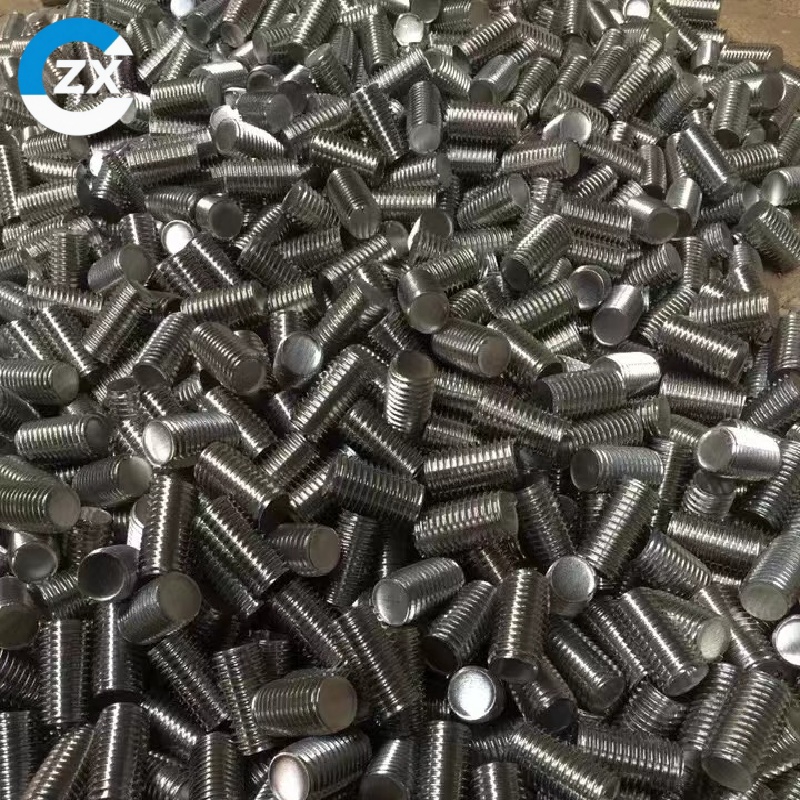
Grade: 304, 316, 316L, 321, 310S, 2205, etc
Size: M4-M90
Length: Max 6000mm
Packing: in carton box or wooden case or pallet
Production Standards
Stainless steel threaded rods are manufactured in compliance with globally recognized standards:
ASTM A193 B7/B7m: For high-temperature and high-pressure applications (e.g., power plants, refineries).
ISO 3506-2:2020: Defines mechanical properties (tensile strength, yield stress) for corrosion-resistant stainless steel fasteners
DIN 975: Specifies dimensional tolerances, material grades, and thread geometry for metric threaded rods.
All products undergo rigorous quality control including material certification (Mill Test Reports), dimensional inspection, and batch traceability.
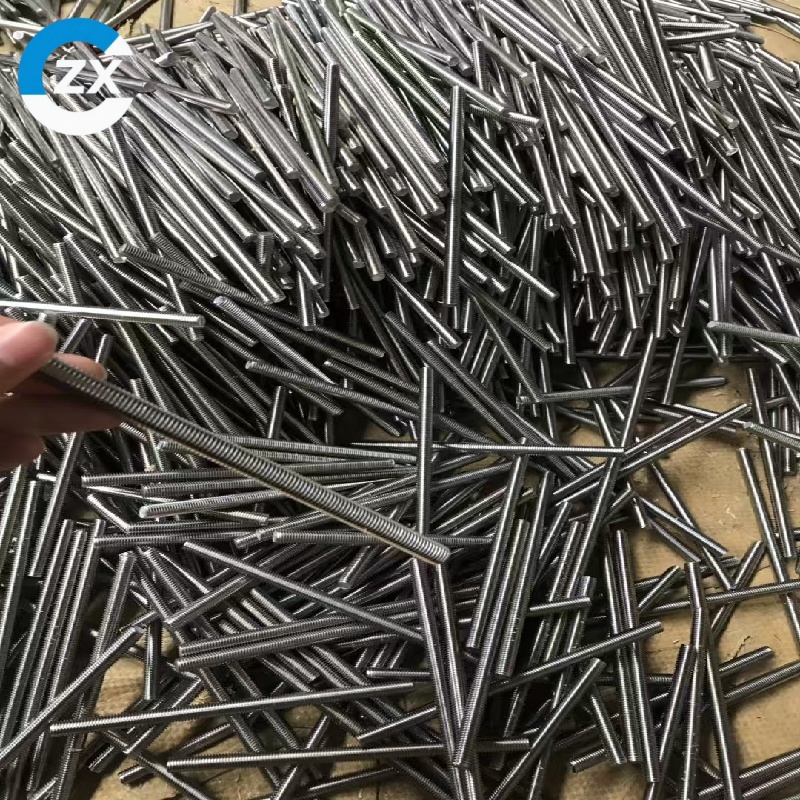
Product Characteristics
Tensile Strength: 500–700 MPa (A2-70 / A4-80 grades)
Corrosion Resistance: Salt spray test performance exceeding 500 hours without red rust (ASTM B117)
Surface Finish:
Plain Finish: As-rolled, no surface treatment – ideal for concealed applications.
Polished Finish: Ra ≤ 0.8 μm – preferred for hygienic and aesthetic requirements.
Thermal Stability: Maintains structural integrity up to 800°C (316 grade)
Non-Magnetic: Austenitic grades (304/316) remain non-magnetic after cold working.
Typical Use Environments
Stainless steel threaded rods are engineered for deployment in the most aggressive industrial settings:
Chemical Processing: Resists acids, alkalis, and solvents in reactors, piping, and valve assemblies.
Food & Beverage: Complies with FDA 21 CFR 170–189 and 3A Sanitary Standards for direct contact with consumables.
Pharmaceutical: Meets EHEDG and GMP guidelines for cleanroom equipment, mixers, and sterilization systems.
Marine & Offshore: Withstands saltwater exposure in flange connections, mooring systems, and offshore platforms.
Power Generation: Used in turbine housings and boiler supports under high thermal